
Commercial Interior Painting: Timeline, Process & What to Expect
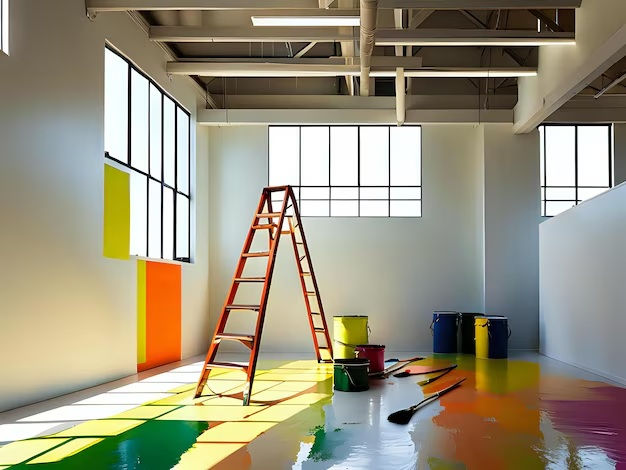
A fresh workspace changes how people feel. It affects staff, clients, and visitors. That is why commercial interior painting is more than just adding colour to walls. It is a strategic investment in your business image.
If you are planning to repaint your office, retail store, or commercial facility in Melbourne, you need to understand the timeline, the process, and what to expect. This guide explains everything in simple terms.
What Is Commercial Interior Painting?
Painting focuses on painting business properties. These spaces include offices, retail stores, restaurants, medical centres, schools, and warehouses.
Unlike residential projects, commercial jobs are larger and more complex. They require planning, safety measures, and minimal disruption to daily operations.
Services often include:
Wall and ceiling painting
Trim and skirting painting
Spray painting for large areas
Epoxy floor coatings
Surface repairs and patching
Low-VOC and eco-friendly coatings
Commercial painters use durable products. These paints handle high traffic and daily wear. The goal is to create a clean, professional, and long-lasting finish.
Why Businesses Invest in Interior Painting
A newly painted workspace improves brand perception. Clients notice clean and modern interiors. Staff feel more motivated in a refreshed environment.
Here are key benefits:
Enhances professional image
Improves lighting and brightness
Protects surfaces from damage
Increases property value
Supports workplace productivity
Over time, walls collect marks, stains, and scratches. Regular repainting keeps your property looking sharp and well maintained.
How Long Does Commercial Interior Painting Take?
One of the most common questions is about timing. The duration of painting depends on several factors.
Factors That Affect the Timeline
Size of the space in square metres
Number of rooms or floors
Condition of existing surfaces
Type of paint system used
Drying and curing time
Access limitations
After-hours scheduling
A small office may take one to three days. A medium-sized retail store could take three to seven days. Large commercial facilities may require several weeks.
Professional contractors often work in stages. They may complete one section at a time. Many also offer night or weekend work. This reduces disruption to your operations.
Fast-drying commercial paints also help shorten downtime.
Step-by-Step Process Explained
Understanding the process helps you prepare properly. A structured approach ensures quality and efficiency.
1. Site Inspection and Consultation
The project begins with an on-site visit. The contractor assesses wall conditions, ceiling height, and access points.
You discuss colour schemes and finishes. Some companies offer colour consulting. You receive a detailed quotation outlining the scope of work.
Clear planning at this stage prevents delays later.
2. Surface Preparation
Preparation is critical. Skipping this step leads to poor results.
The team will:
Clean surfaces
Repair cracks and holes
Sand uneven areas
Apply primer where needed
Protect floors and furniture
Proper preparation ensures strong adhesion and smooth finishes.
3. Priming and Undercoating
Primers seal stains and improve paint bonding. In moisture-prone areas, special primers prevent mould growth.
This stage builds the foundation for durable results.
4. Paint Application
The method depends on the surface and size of the area. Spray painting is common in large commercial spaces. It provides even coverage and faster application.
Rollers and brushes are used for detail work. Multiple coats are often required for full coverage.
High-traffic zones may require specialised coatings for added durability.
5. Final Inspection and Handover
After painting, the team performs a quality check. They complete touch-ups if needed.
The site is cleaned thoroughly. Furniture is returned to its place. You walk through the space to ensure satisfaction.
This structured process ensures professional commercial interior painting results that last.
What to Expect During the Project
Good communication is essential. A project manager usually oversees the entire job.
Minimal Disruption
Most professional painters work in sections. This keeps parts of your business operational.
Some projects are completed after business hours. This is common for offices and retail stores.
Safety Compliance
Commercial sites must follow safety regulations. Contractors use protective equipment and safety signage.
Reputable painters carry public liability insurance. They also follow Australian safety standards.
Noise and Odour Management
Modern paints have low odour. Ventilation systems help reduce fumes. Noise is usually limited to preparation stages like sanding.
Planning ahead reduces stress and confusion.
Cost of Commercial Painting in Melbourne
Pricing varies from project to project. There is no one-size-fits-all rate.
Factors Influencing Cost
Total surface area
Condition of walls and ceilings
Type of paint selected
Access challenges
Special finishes like epoxy coatings
In Melbourne, pricing is often calculated per square metre. High-quality materials may cost more upfront. However, they last longer and reduce future maintenance.
Requesting a detailed quote helps you understand where your money goes. Transparent pricing builds trust.
Investing in professional commercial interior painting ensures value for money and long-term durability.
Choosing the Right Painting Contractor
Not all painters handle commercial jobs. You need a contractor with proven experience in business environments.
Here is what to look for:
Licensed and insured team
Experience with offices and retail spaces
Positive online reviews
Clear written quotations
Warranty on workmanship
Knowledge of commercial-grade paints
Ask important questions before signing a contract. Can they work after hours? How will they minimise disruption? What timeline do they guarantee?
A reliable contractor will answer clearly and confidently.
Selecting the right team ensures your commercial interior painting project runs smoothly from start to finish.
How Often Should Commercial Spaces Be Repainted?
Repainting frequency depends on the type of business.
Offices: every 5–7 years
Retail stores: every 3–5 years
Restaurants: every 2–4 years
High-traffic facilities: as needed
Heavy use leads to faster wear. Regular inspections help identify when repainting is required.
Maintaining fresh interiors protects your brand reputation.
Common Mistakes to Avoid
Avoiding errors saves time and money.
Hiring unlicensed painters
Choosing the cheapest quote without checking quality
Skipping surface preparation
Using low-grade paint
Poor scheduling that disrupts operations
Careful planning prevents these issues. Quality work always pays off in the long run.
Final Thoughts
A well-executed paint project transforms your business environment. It improves appearance, protects surfaces, and boosts morale. Understanding the timeline and process helps you plan effectively. From consultation to final inspection, every stage matters. When handled by experienced professionals, commercial interior painting delivers durable and impressive results. It is not just about colour. It is about creating a space that reflects your brand and supports your success.


Comments